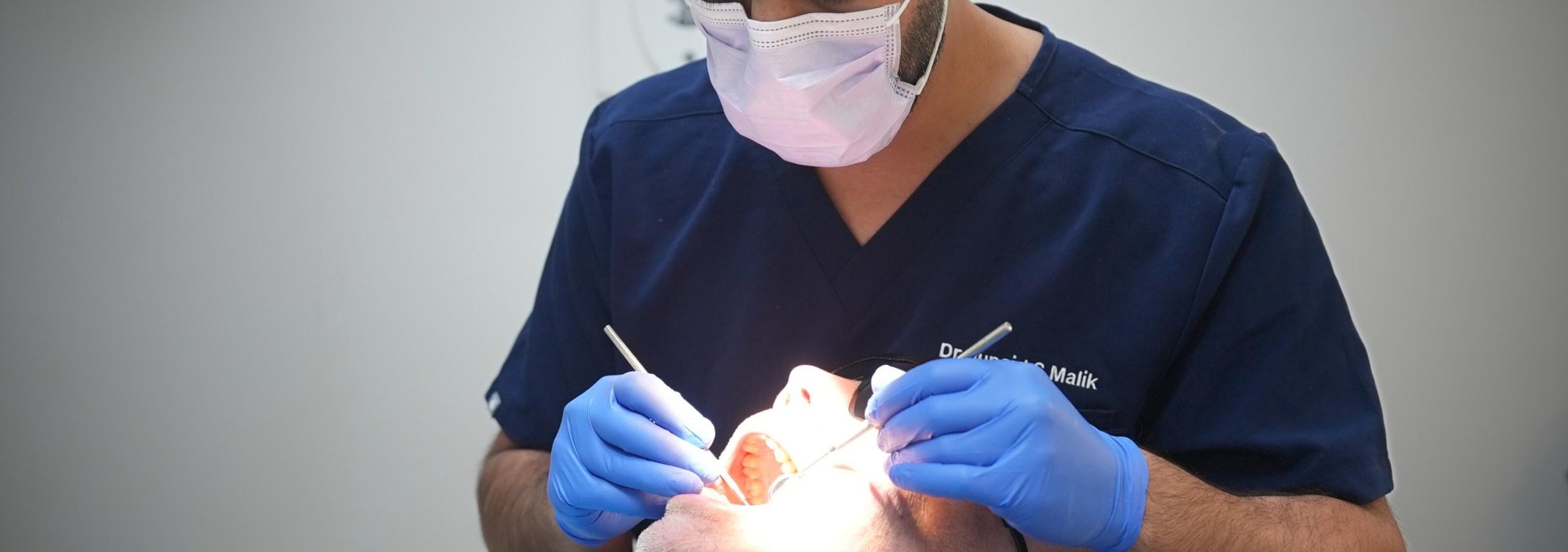
Understanding Tooth Decay
Tooth decay begins with the formation of plaque—a sticky film that accumulates on your teeth when proper oral hygiene is not maintained. This plaque harbours bacteria that feed on sugars from the foods and drinks you consume. As the bacteria metabolise these sugars, they produce acids that gradually erode the protective enamel covering your teeth. When the enamel is weakened, decay can penetrate into the softer dentine, and eventually reach the inner pulp, leading to pain and potential infection.
For many patients, the onset of decay may be gradual and initially symptomless, but over time, it can manifest as cavities, sensitivity to hot or cold temperatures, or visible spots and discolorations on the teeth. Recognising the early signs of decay and seeking treatment promptly is crucial to prevent further damage.
The Impact of Untreated Decay
The consequences of untreated tooth decay extend beyond cosmetic concerns. As decay worsens, it not only affects the appearance of your smile but also the overall function of your teeth. Weakened tooth structure may lead to pain when chewing or biting, and the decay can spread, increasing the risk of abscesses and serious infections. In addition, the presence of decayed areas can compromise your ability to maintain proper oral hygiene, as food particles and bacteria become trapped in the cavities, further exacerbating the problem.
A decline in dental health can have a ripple effect on your overall wellbeing. Difficulty eating can lead to nutritional deficiencies, while chronic dental pain may interfere with your daily activities and quality of life. Moreover, the aesthetic impact of decayed teeth can affect self-esteem and social interactions, underscoring the importance of timely and effective treatment.
Achievable Results with Specialist Intervention
Under the care of Dr Junaid Saleem Malik, the treatment of decayed teeth is not just about repairing damage—it’s about restoring the integrity and function of your smile. With a patient-centred approach, you can expect results that are both functional and aesthetically pleasing. The objectives of treatment include:
Restoring the natural shape and strength of the tooth, allowing you to eat, speak, and smile with confidence.
Preventing the progression of decay and protecting the tooth from further damage.
Achieving a seamless, natural appearance that blends with your existing teeth.
Enhancing your overall oral health to minimise the risk of future dental issues.
Dr Malik’s expertise ensures that every treatment is tailored to your individual needs, considering not only the extent of the decay but also your overall dental structure and lifestyle.
Treatment Options for Decayed Teeth
There are several treatment pathways available, each suited to the specific stage and severity of decay. Dr Malik employs a range of modern techniques designed to conserve as much of your natural tooth structure as possible while delivering durable, aesthetically pleasing results.
Preventive Care and Early Intervention
For those in the early stages of decay, preventive measures are essential. The first step in treatment is often an emphasis on improving your oral hygiene habits, which may include professional cleanings, fluoride treatments, and the application of dental sealants. Fluoride works by strengthening the enamel, making it more resistant to acid attacks, while sealants act as a protective barrier on the chewing surfaces of your teeth. These measures can halt the progression of decay and sometimes even reverse minor enamel damage.
Direct Restorative Treatments biomimetic approach*
When decay has progressed to the point where restoration is necessary, the most common treatment is the direct restoration using composite fillings. In this procedure, the decayed portion of the tooth is carefully removed, and the resulting cavity is cleaned and prepared. A bonding agent is then applied, and a composite resin material—colour-matched to your natural tooth—is placed and sculpted to restore the tooth’s original shape. The resin is hardened with a curing light and polished to achieve a smooth, natural finish. This method is minimally invasive, preserving as much of your healthy tooth structure as possible while providing immediate relief from sensitivity and restoring function.
In cases where decay is more extensive, but the tooth can still be preserved, more advanced restorations such as inlays or onlays may be indicated. These custom-made restorations are fabricated using digital impressions and CAD/CAM technology, ensuring a precise fit. An inlay is designed to fit within the confines of the tooth’s cusps, while an onlay extends over one or more cusps to provide additional support. Both options are highly durable and offer superior strength compared to traditional fillings, making them an excellent choice for teeth that have suffered moderate decay.
Full-Coverage Restorations: Crowns (biomimetic approach**)
For teeth that have experienced significant decay and structural compromise, full-coverage restorations in the form of dental crowns are often the best solution. The process begins with the removal of decayed material and the reshaping of the tooth to accommodate the crown. A digital scan or impression is taken to capture the exact dimensions of the prepared tooth, which is then used to fabricate a custom crown. Modern crowns, made from high-quality porcelain or ceramic, are designed to mimic the appearance of natural teeth, ensuring that the restoration blends seamlessly with your existing dentition. Crowns not only restore the tooth’s function but also provide robust protection against further decay and damage provided all risk factors are under control.
Endodontic Therapy (Root Canal Treatment)
In cases where decay has reached the inner pulp of the tooth, causing infection and severe pain, root canal treatment becomes necessary before any restorative work can be done. During this procedure, the infected pulp is removed, and the empty canal is cleaned and disinfected. Once the canal is sealed with a filling material, a crown is typically placed to restore the tooth’s strength and appearance. This comprehensive treatment not only alleviates pain but also preserves the natural tooth, allowing you to maintain a healthy, functional smile.
The Approach of Dr Junaid Saleem Malik
Dr Junaid Saleem Malik is widely recognised for his meticulous approach to treating decayed teeth. With nearly two decades of experience, he combines advanced digital diagnostics, minimally invasive techniques, and a comprehensive, patient-centred philosophy to achieve exceptional outcomes.
Comprehensive Digital Diagnostics
Every treatment plan begins with a thorough examination that includes state-of-the-art digital scans and radiographic imaging. This comprehensive diagnostic process enables Dr Malik to precisely assess the extent of decay and plan the most effective treatment strategy. By understanding the specific nuances of your dental structure, he can tailor the treatment to ensure both immediate relief and long-term success.
Minimally Invasive Treatment Philosophy
Dr Malik’s approach is rooted in the principle of preserving as much of your natural tooth as possible. Whether you require a composite filling, an inlay/onlay, or a full crown, his techniques are designed to minimise the removal of healthy tooth structure. This conservative approach not only reduces discomfort and recovery time but also promotes long-term oral health, ensuring that your teeth remain strong and functional.
Patient Care
Understanding that each patient’s needs are unique, Dr Malik crafts a personalised treatment plan that considers your overall lifestyle, oral hygiene practices, and aesthetic goals. His patient-centred approach ensures that you are involved in every step of the treatment process, from the initial consultation to post-treatment care. This holistic strategy is designed to deliver a restoration that is not only technically sound but also visually harmonious with your natural smile.
Ongoing Maintenance and Support
The success of dental restorations relies heavily on continuous care and maintenance. Dr Malik provides detailed aftercare instructions and schedules regular follow-up appointments to monitor the progress of your treatment. By maintaining a close relationship with his patients, he ensures that any signs of recurring decay are caught early, preserving the integrity of your restorations and preventing future complications.
Addressing Patient Concerns
Patients often have specific concerns when dealing with tooth decay, and addressing these questions is a key part of the treatment process.
Many wonder if the treatment will be painful. With modern dental techniques and local anaesthesia, most patients experience minimal discomfort during procedures such as composite fillings or crown placements. Additionally, the minimally invasive nature of these treatments helps to reduce post-operative sensitivity.
Another common concern is the longevity of the restoration. While the lifespan of a composite filling may be around 5-7 years, restorations like crowns, inlays, and onlays are designed to last much longer—often over a decade—with proper care. Dr Malik’s emphasis on preventive care and regular check-ups helps ensure that your dental work remains durable over time.
Some patients are also worried about the aesthetics of the restoration. Dr Malik’s expertise in digital smile design and advanced restorative techniques ensures that every restoration is custom-crafted to blend seamlessly with your natural teeth. Whether you opt for a composite filling, an inlay/onlay, or a crown, the goal is to achieve a result that is indistinguishable from your original dentition.
Finally, there is the concern of future decay. Dr Malik not only treats the current decay but also educates patients on effective oral hygiene practices and dietary modifications to minimise the risk of recurrent decay. With regular follow-ups and professional cleanings, you can maintain a healthy, beautiful smile for years to come.
Begin Your Journey to a Healthier Smile
Treating decayed teeth is not just about eliminating pain or restoring function—it is about reclaiming your confidence and enhancing your overall quality of life. With the comprehensive, patient-centred approach offered by Dr Junaid Saleem Malik, you can trust that every aspect of your dental health is in expert hands.
If you are experiencing sensitivity, discomfort, or visible decay, early intervention is crucial. By addressing the issue promptly, you can prevent further damage and preserve the natural beauty and function of your teeth. Dr Malik’s commitment to minimally invasive, aesthetically driven treatment ensures that you receive the highest standard of care tailored to your unique needs.
Book your consultation today and take the first step towards restoring your dental health with a treatment plan that is both effective and bespoke. With care that combines advanced technology, a deep understanding of dental science, and a focus on your overall wellbeing, you can look forward to a future of improved oral health and lasting beauty.