What Is a Deep Bite, and Why Does It Matter?
A deep bite occurs when the upper front teeth excessively overlap the lower front teeth when you bite down. In severe cases, the lower teeth may not even be visible when the mouth is closed.
Many people believe a deep bite is just a cosmetic concern, but in reality, it can have serious implications:
Tooth Wear: The constant pressure on the lower front teeth can cause them to wear down prematurely.
Jaw Pain: A deep bite often places the jaw joints under undue stress, which can result in tension, headaches, and even TMJ disorders.
Gum Trauma: The lower teeth can touch or bite into the roof of the mouth, causing soft tissue injury.
Facial Aesthetics: A deep bite can contribute to a shortened facial appearance or an aged look due to collapse in the vertical dimension.
Left untreated, a deep bite can gradually worsen, especially when compounded by habits like grinding (bruxism) or when tooth loss changes the natural balance of the bite.
What Causes a Deep Bite?
There are several contributing factors, and often it’s a combination of more than one:
Genetics and jaw structure.
Early loss of posterior teeth, leading to a collapse in the bite.
Long-term habits such as thumb sucking or prolonged use of pacifiers during childhood.
Malocclusion (bad bite) or delayed orthodontic treatment.
Tooth wear and grinding, which reduce the vertical height of teeth.
Skeletal discrepancies involving the upper and lower jaws.
Understanding the root cause of your deep bite is essential in planning a treatment that is not only effective but stable for the long term.
Symptoms Patients Might Experience
Not all patients are aware they have a deep bite until it starts to affect them physically. Some of the signs and symptoms include:
Difficulty chewing comfortably
Facial pain or tightness in the jaw muscles
Shortened or worn-down front teeth
A clicking or locking jaw
Frequent headaches
Sensitivity due to exposed dentine
Difficulty maintaining oral hygiene due to tooth crowding
If you are experiencing any of the above, it’s time to consider a clinical assessment.
How We Treat Deep Bite: Dr Malik’s Multidisciplinary Approach
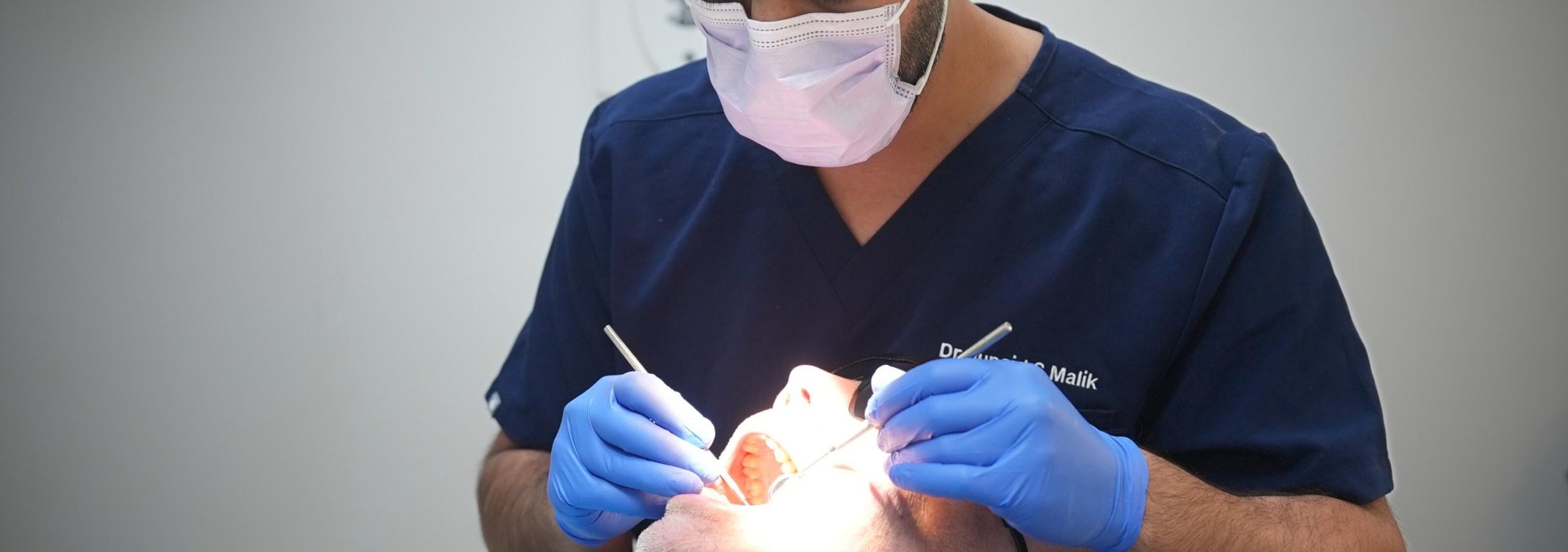
Dr Junaid Saleem Malik takes a comprehensive approach to every deep bite case, focusing not just on how to make the teeth look better, but how to restore harmony across the entire oral and facial system. Every case begins with a detailed clinical examination, often includingradiographic imaging, bite analysis, and digital smile planning.
Treatment plans may involve one or more of the following approaches:
1. Orthodontics
Braces or clear aligners such as Invisalign can be used to move the teeth into better alignment and open the bite. In adult patients, Dr Malik may work alongside orthodontists to co-plan complex movements.
2. Restorative Build-Up
If the deep bite is caused by worn-down teeth, composite or ceramic restorations can be used to rebuild lost tooth structure and increase vertical dimension. This can be done conservatively and often results in dramatic improvements in both function and aesthetics.
3. Full Mouth Rehabilitation
In severe or long-standing cases, a full mouth reconstruction may be needed. This involves rebuilding the bite with crowns, veneers, or implant-supported restorations to re-establish correct tooth height and function.
4. Occlusal Splints and Muscle Therapy
Sometimes, before any restorative work, it’s necessary to de-programme the jaw muscles using splint therapy. This helps to re-establish a relaxed jaw position and can relieve symptoms of TMJ dysfunction.
5. Interdisciplinary Collaboration
Dr Malik frequently collaborates with orthodontists, maxillofacial surgeons and periodontists when needed, ensuring each case benefits from specialist input and delivers a highly tailored, stable result.
What Are the Achievable Results?
The goal of deep bite correction isn’t just straight teeth—it’s a balanced, functional bite that supports both oral and general wellbeing. With the right approach, patients can expect:
Relief from jaw pain and headaches
Protection against future tooth wear
Improved chewing function and digestion
A rejuvenated, more balanced facial profile
Long-term comfort and bite stability
Better oral hygiene and reduced risk of gum problems
For many patients, correcting a deep bite also means restoring lost confidence—especially when the condition has affected their appearance or made them self-conscious about their smile.
Dr Malik’s Commitment to Long-Term Results
Every patient is different, which is why Dr Junaid Saleem Malik never applies a one-size-fits-all approach. With years of experience in treating complex bite disorders, he provides careful case planning and precise execution, always guided by the latest research and digital technologies.
His treatments are not just designed to fix the problem, but to future-proof your smile and improve your overall quality of life. Patients appreciate the time he takes to explain every step, the minimally invasive techniques he employs, and the long-term follow-up care he provides.
Think You May Have a Deep Bite? Let’s Talk
If you’ve noticed signs of excessive tooth wear, jaw discomfort, or aesthetic changes in your face, you may be dealing with a deep bite. The good news is that it can be treated—with the right expertise and a personalised plan.
Book a consultation today with Dr Junaid Saleem Malik and discover what a balanced bite can do for your comfort, your smile, and your future wellbeing.