What Is Temporomandibular Disorder (TMD)?
TMD is a term that encompasses a range of issues affecting the temporomandibular joint, the surrounding muscles, ligaments, and even the bite. It’s often multifactorial, meaning there’s no single cause—but rather a combination of structural, muscular, psychological, and sometimes postural influences.
Some of the common signs that point to a TMJ disorder include:
Pain or tenderness in the jaw joint area
Clicking, popping, or grinding noises when opening or closing the mouth
Limited ability to open the mouth fully
Tension or pain in the neck, shoulders, or facial muscles
Frequent headaches or migraines
Earaches or a sense of pressure/fullness in the ears
Difficulty chewing or changes in how your teeth fit together
What makes TMD complex is that its symptoms often overlap with other health issues, including stress-related disorders, neuralgia, or even inner ear problems. That’s why a comprehensive, multidisciplinary evaluation is essential.
What Causes TMJ Disorders?
For many patients, the onset of TMJ problems can feel sudden, but often they develop over time due to a combination of:
Bite misalignment or occlusal imbalance
Clenching or grinding (bruxism), often linked to stress or sleep disorders
Trauma to the jaw or neck
Long-term poor posture affecting the head and neck
Missing or worn-down teeth altering the bite
Excessive gum chewing or nail-biting
A history of orthodontic treatment without ongoing bite stabilisation
Understanding these contributing factors is essential in designing a treatment that is not only effective but sustainable.
How We Diagnose TMJ Issues: Looking Beyond the Surface
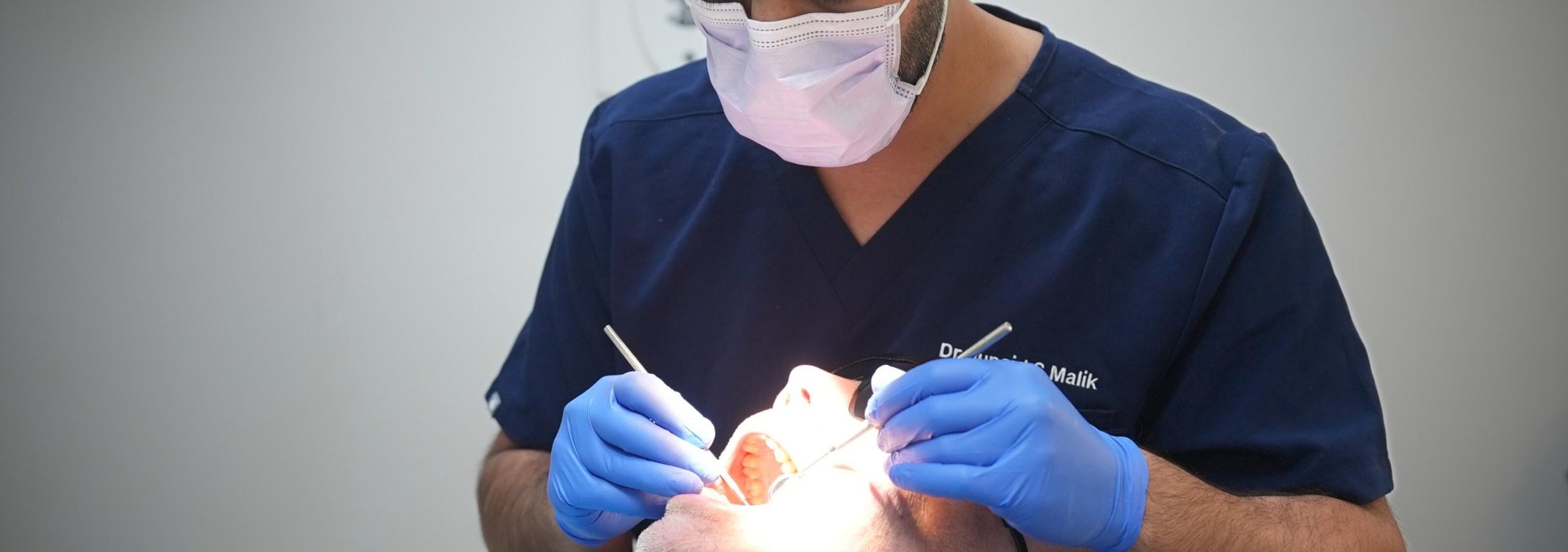
At your first consultation with Dr Malik, the goal is to understand your condition. That involves a thorough clinical examination, bite analysis, and often imaging to evaluate the jaw joint’s health and position.
He takes time to listen—tracing your medical and dental history, understanding the symptoms you’re experiencing, and assessing how your teeth and jaw function together. The focus is on building a complete picture, not just chasing pain relief.
Tailored Treatment Plans That Work
Every TMJ case is unique, and as such, there is no one-size-fits-all solution. Dr Malik’s approach is methodical and evidence-based, with each treatment plan tailored to the individual’s needs, severity of symptoms, and lifestyle.
Depending on the nature of the disorder, treatment may include:
1. Occlusal Therapy
Adjusting the bite through minor reshaping of teeth or using custom-made occlusal splints can dramatically reduce muscle tension and protect the joints from further damage. Dr Malik uses advanced digital tools to assess how the teeth come together and designs bite stabilisation therapies that restore harmony.
2. Splint Therapy and Deprogramming Appliances
Patients with significant muscle tension or grinding habits may benefit from wearing a night guard or specially designed deprogrammer. These appliances help relax overactive jaw muscles and reposition the jaw into a more stable, pain-free position.
3. Rebuilding the Bite
In cases where teeth have worn down or shifted, bite reconstruction using composite bonding, crowns, or onlays may be necessary. This restores proper height and function, protecting the TMJ from ongoing strain.
4. Multidisciplinary Support
For complex or chronic cases, Dr Malik may coordinate care with physiotherapists, osteopaths, or facial pain specialists. These collaborations ensure that all aspects of the disorder—dental, muscular, postural—are addressed in tandem.
5. Behavioural and Lifestyle Coaching
Often, habits like jaw clenching or poor posture are subconscious. Dr Malik provides guidance on managing contributing behaviours, and where appropriate, can work alongside professionals offering stress management techniques or sleep support.
What Kind of Results Can You Expect?
While every case is different, the outcomes of well-planned TMJ treatment are often life-changing. Patients treated by Dr Malik frequently report:
A significant reduction or complete relief from jaw pain and tension
Fewer headaches and improved concentration
Better sleep and reduced fatigue
Enhanced ability to chew and speak comfortably
Improved head and neck posture
A sense of restored control and wellbeing
Most importantly, patients gain clarity: a clear understanding of their condition and a structured plan for recovery.
Why Choose Dr Junaid Saleem Malik for TMJ Care?
Dr Malik brings together the rare combination of restorative expertise, digital technology, and diagnostic precision required to handle complex TMJ cases. His work is grounded in function-first dentistry, where comfort and stability form the foundation of every treatment.
He doesn’t just treat symptoms—he uncovers patterns, habits, and structural imbalances, creating treatment plans that are as personal as they are effective. With his calm, empathetic approach, patients feel heard, understood, and involved in every step of their journey toward a pain-free life.
Take the First Step Towards Relief
If jaw pain, clicking, headaches, or discomfort when chewing have become part of your daily life, you don’t have to accept it as normal. TMJ disorders are real, often underdiagnosed, and absolutely treatable.
Schedule a consultation with Dr Junaid Saleem Malik to explore your options. With the right plan and the right professional by your side, a more comfortable future is within reach.