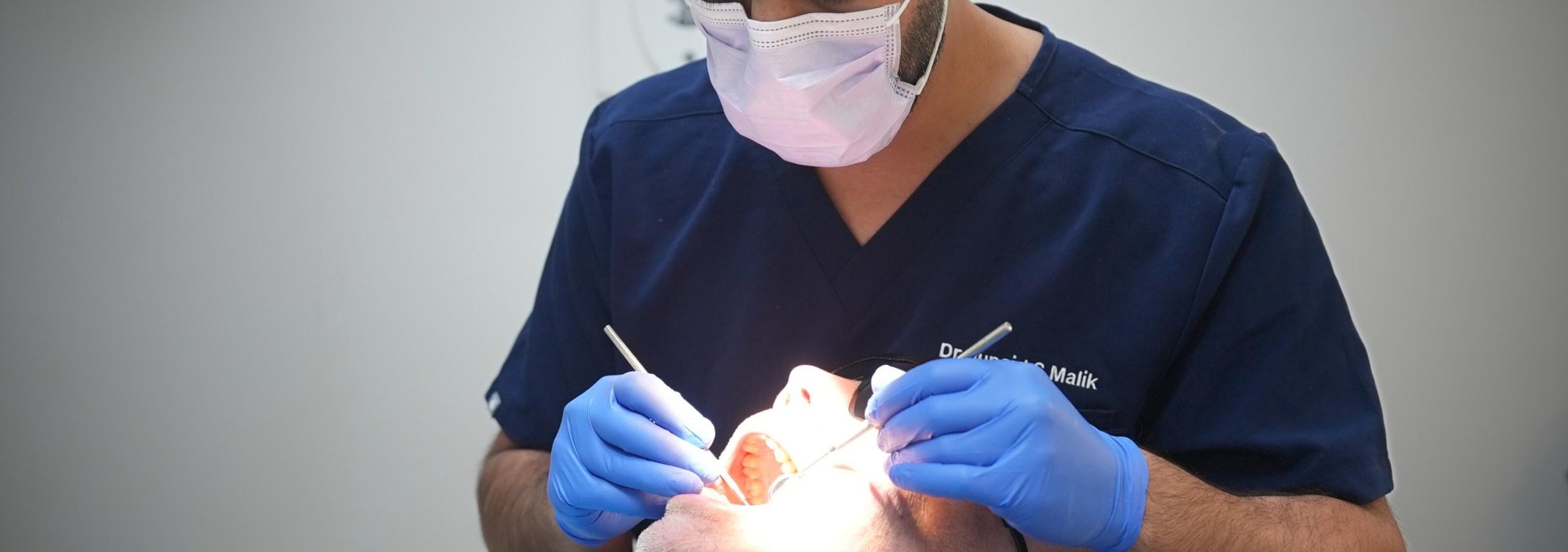
What is a dental Implant? Why do we use dental implants?
A dental implant consists of three main components:
The Implant fixture – A titanium or zirconia screw that is placed into the jawbone, serving as a root replacement that is placed surgically either immediately after a tooth extraction or in a healed ridge many months after tooth extraction. Once placed, the implant undergoes a process called osseointegration, where it fuses with the bone over a few months, creating a permanent and secure anchor for the restoration.
The Abutment – A connector piece that links the implant fixture to the final crown, bridge, or denture.
The Restoration or crown – A custom-made crown, bridge, or denture that replicates the look and function of natural teeth.
Who Is a Candidate for Dental Implants?
Dental implants are suitable for most adults who have lost one or more teeth due to decay, trauma, cancer and gum disease or for adults with congenital absence of teeth. However, a thorough assessment is required to ensure sufficient bone volume and stable oral health. In cases of significant bone loss, bone grafting or sinus lifts may be necessary to create enough bone tissue to give a sufficiently stable foundation for the implant to integrate.
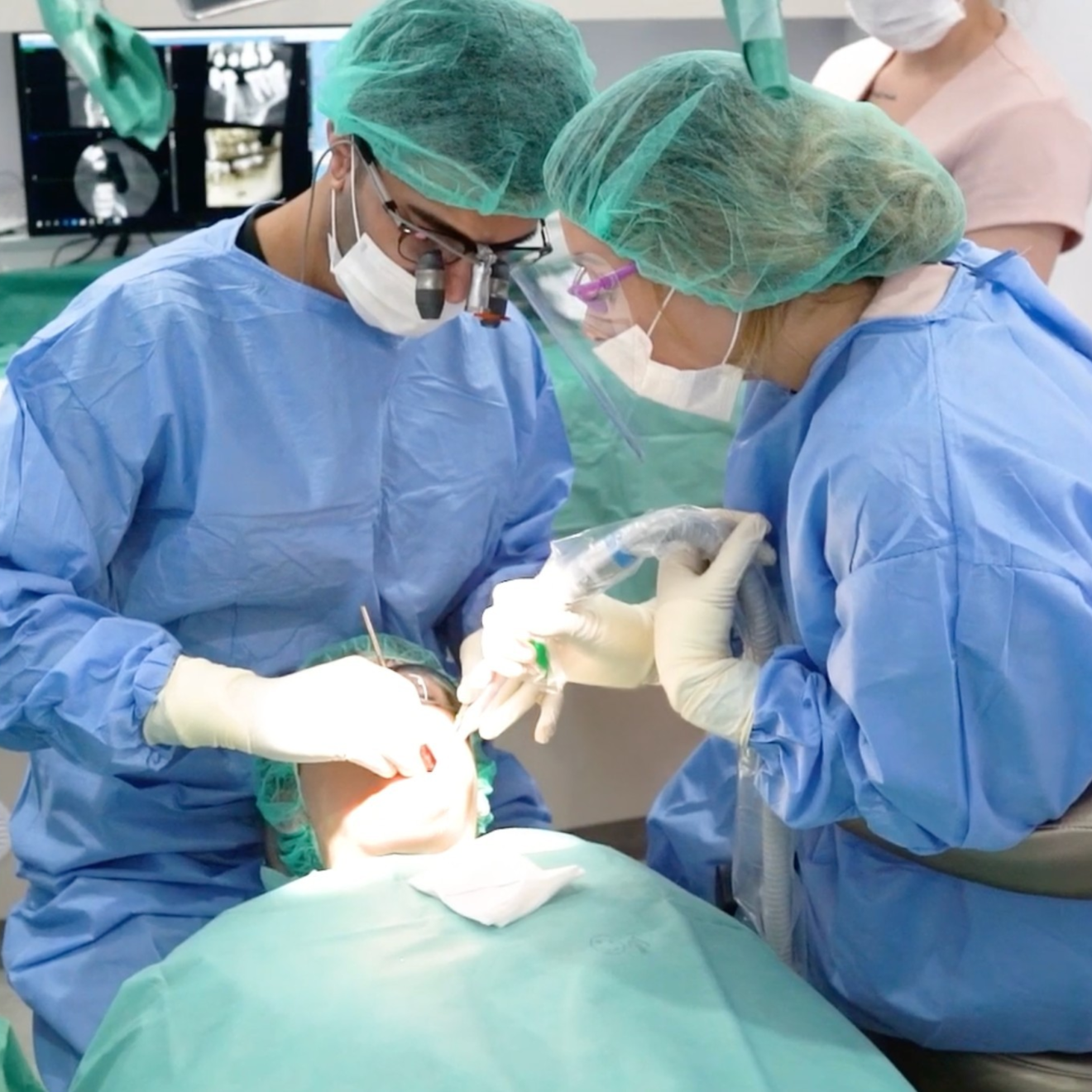
Why Choose a Specialist for Dental Implants?
Expertise in Complex Cases
Specialists are trained to handle even the most challenging cases, including:
Full-arch rehabilitations (e.g., All-on-4, All-on-6, Implant-supported overdentures)
Bone deficiencies requiring grafting or sinus lifts
Revision surgery for failed or failing implants
Immediate implant placement following tooth extraction
Prosthodontists have extensive experience in both surgical and restorative aspects of implantology providing you with all valuable options to restore your smile and ensuring seamless treatment from start to finish.
Minimally Invasive Techniques for Faster Recovery
By using innovative techniques and protocols, Dr Malik can significantly reduce trauma to the tissues, leading to:
Less post-operative discomfort
Faster healing times
Reduced risk of infection
Immediate temporary restorations for instant aesthetics and function
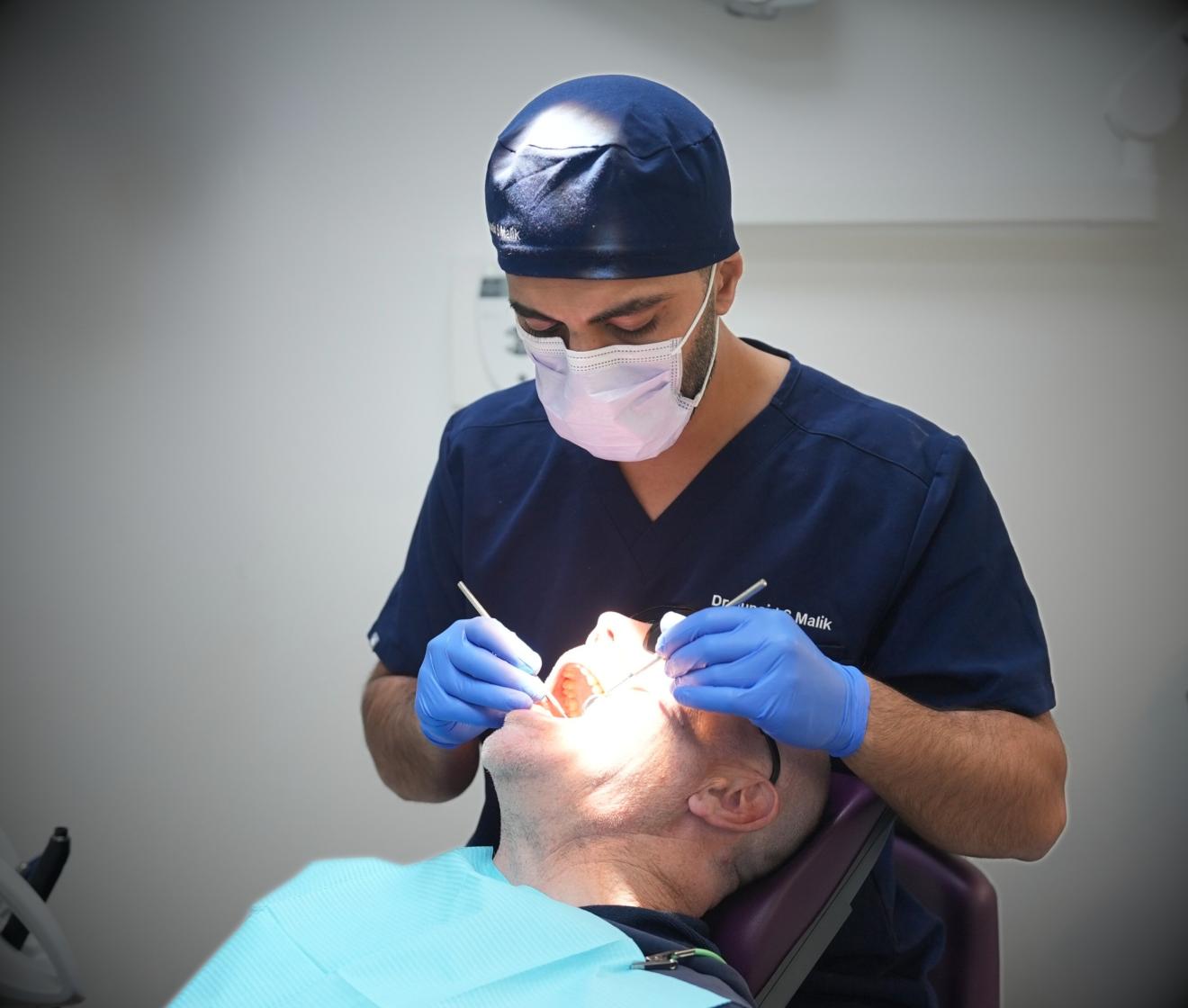
Prosthetically-Driven Implant Placement
Most patients are not simply seeking a solution to restore function, but also really look forward to seeing their smile in the mirror. While function is crucial, aesthetics plays a significant role in modern implant dentistry. A prosthodontist ensures that the implant is positioned in a way that maintains or enhances:
Natural gum contours
Symmetry with adjacent teeth
Harmonisation with facial features
Longevity of the prosthetic restoration
By carefully considering these factors, Dr. Malik creates results that are not only functional but also indistinguishable from natural teeth.

Failing implants?
Although dental implants are highly successful, problems can sometimes occur. Signs of a failing implant may include pain, swelling, or loosening. Early diagnosis is key, and in many cases treatment can stabilise the implant or allow for successful replacement.
Types of Implant Treatments
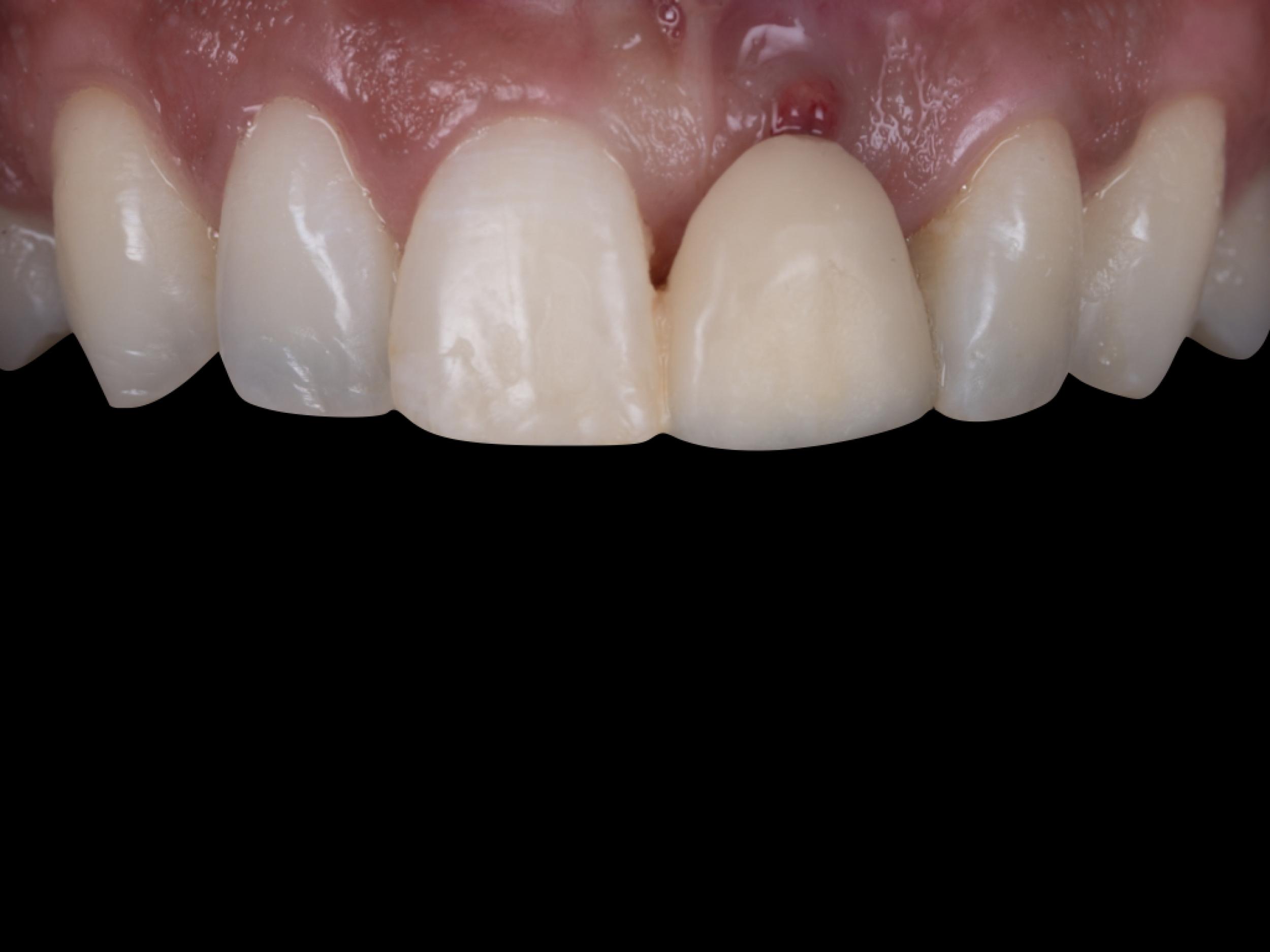
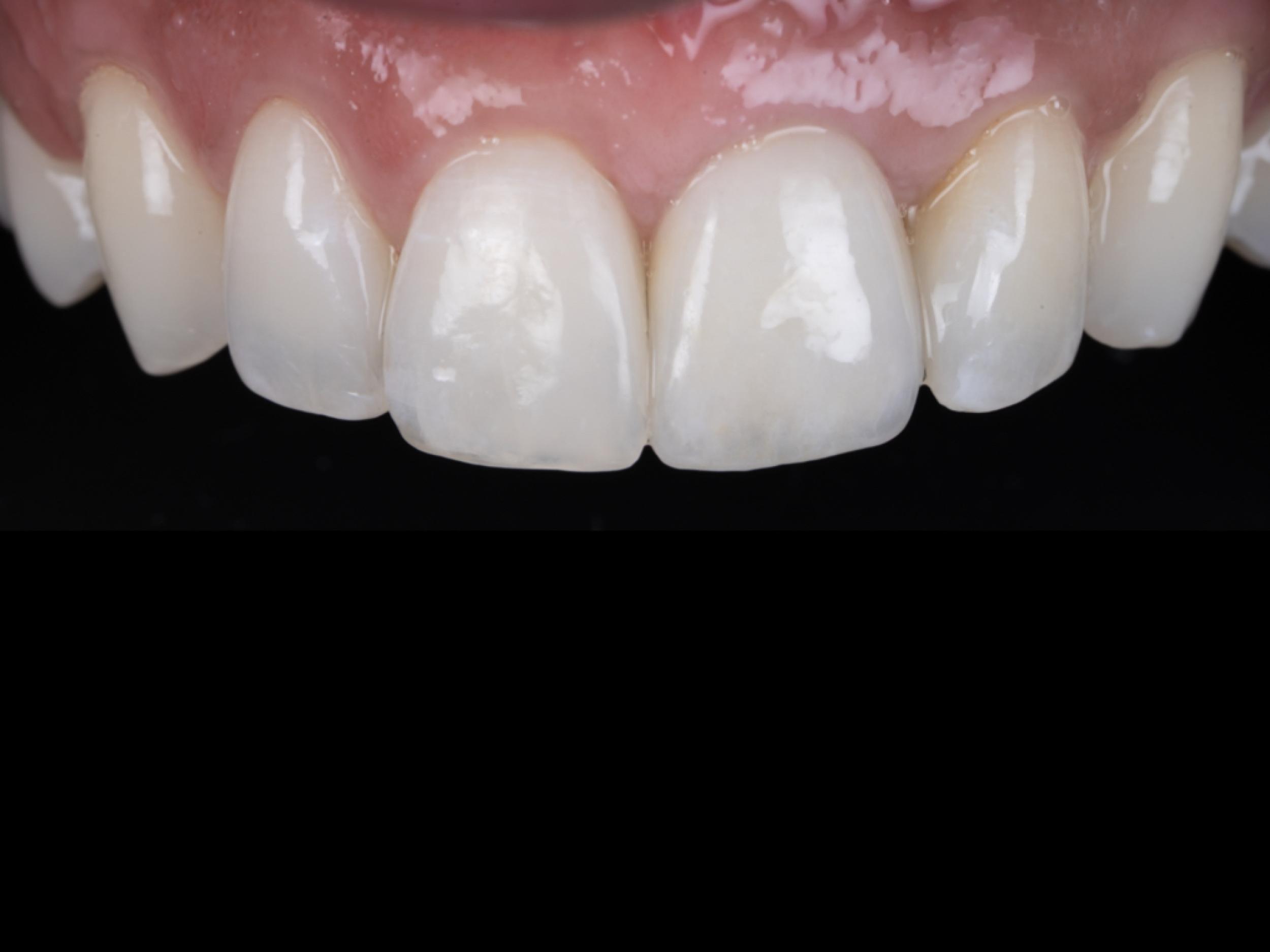
Single Tooth Implants
SINGLE TOOTH IMPLANT - BEFORE AND AFTER
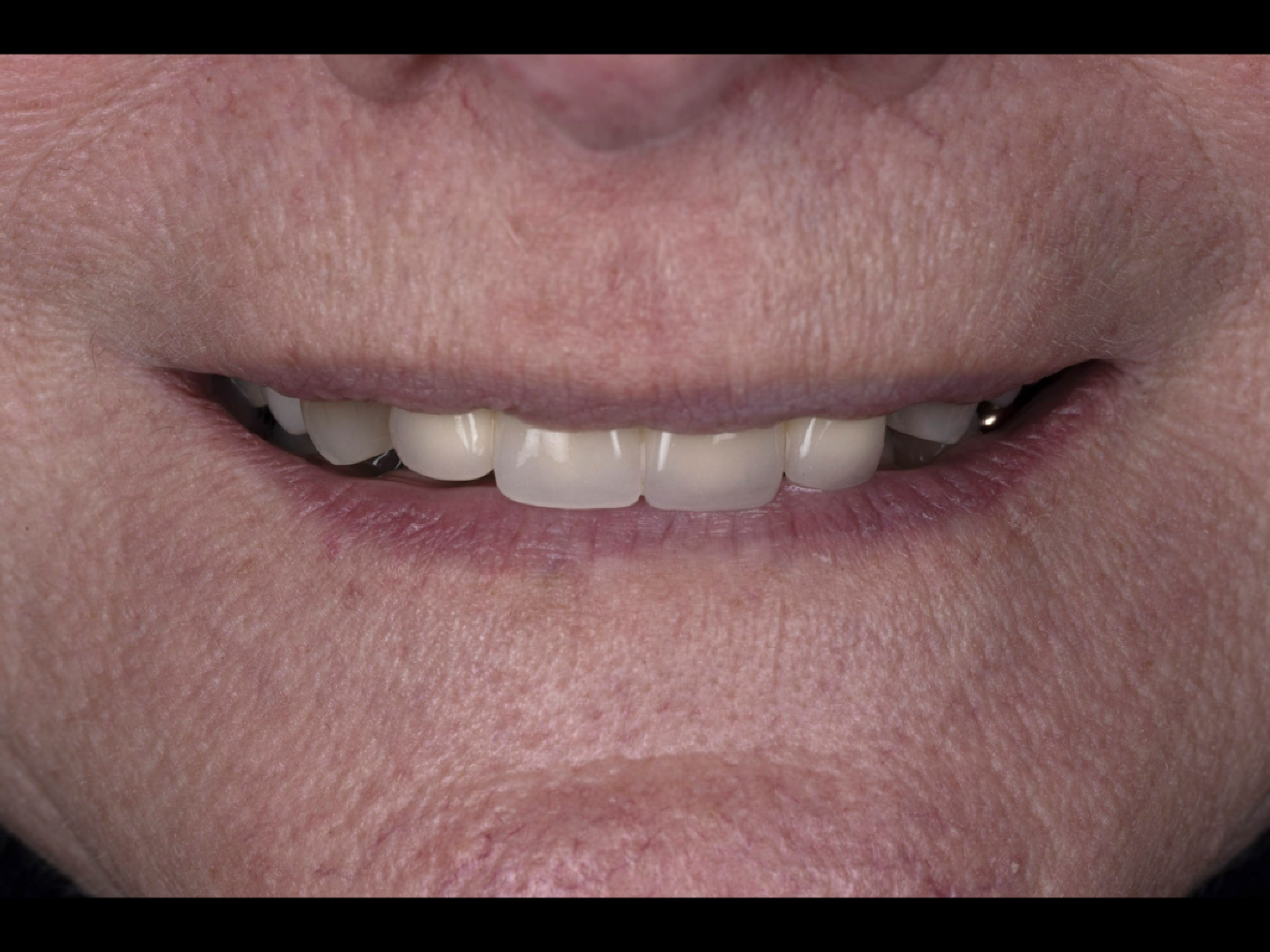
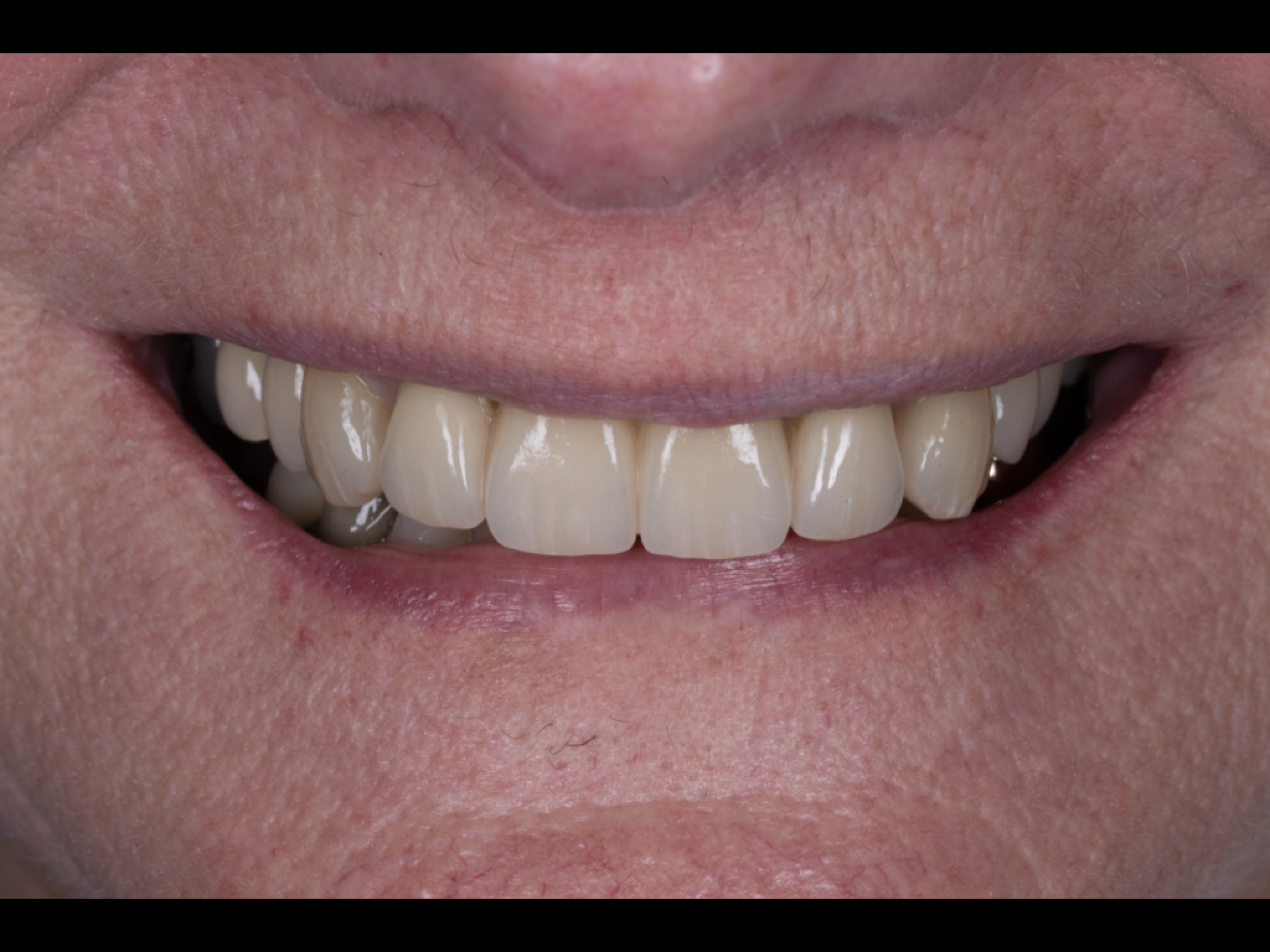
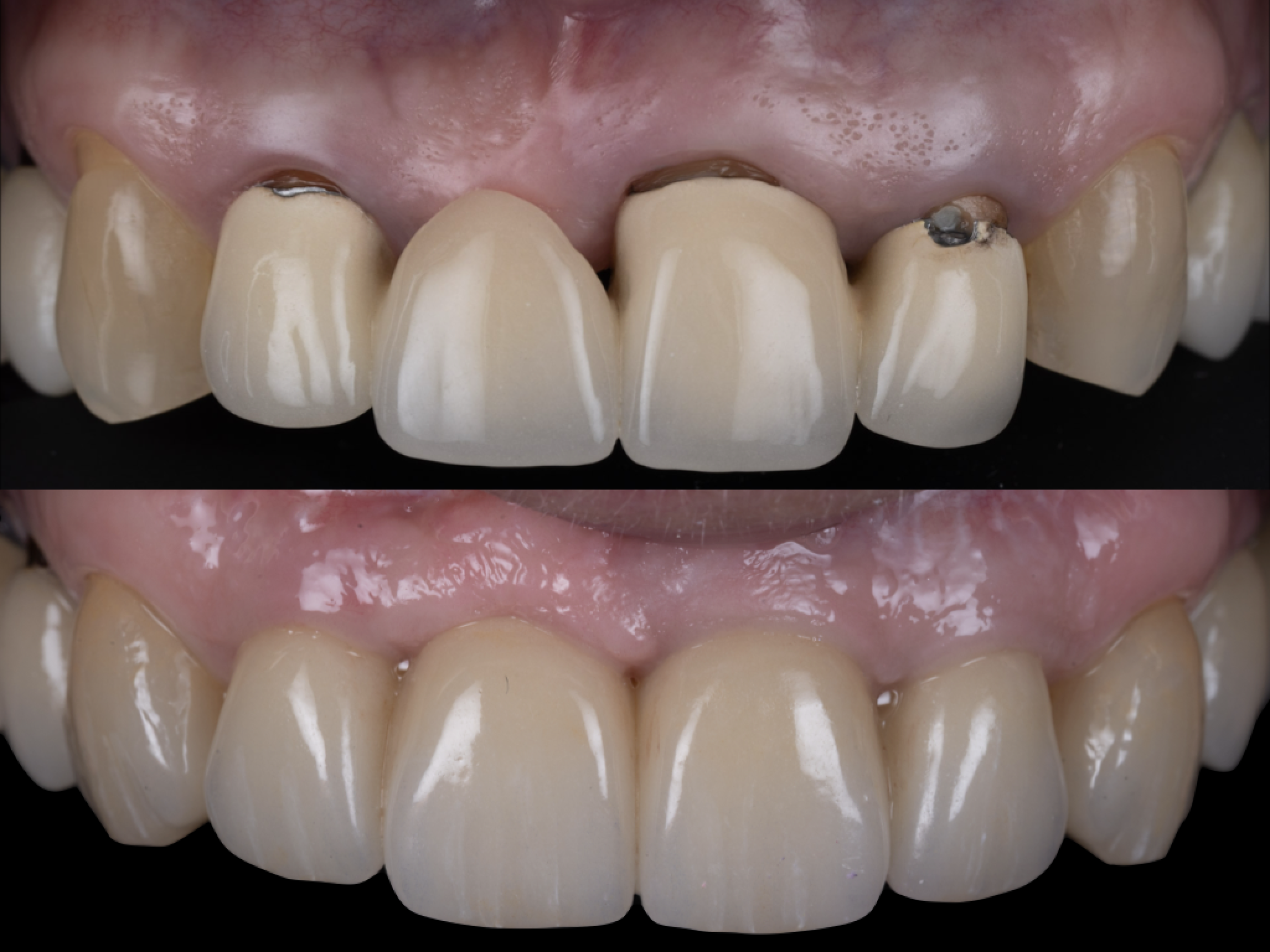
Multiple Teeth Implants
MULTIPLE TEETH IMPLANTS - BEFORE AND AFTER
Full-Arch Implants
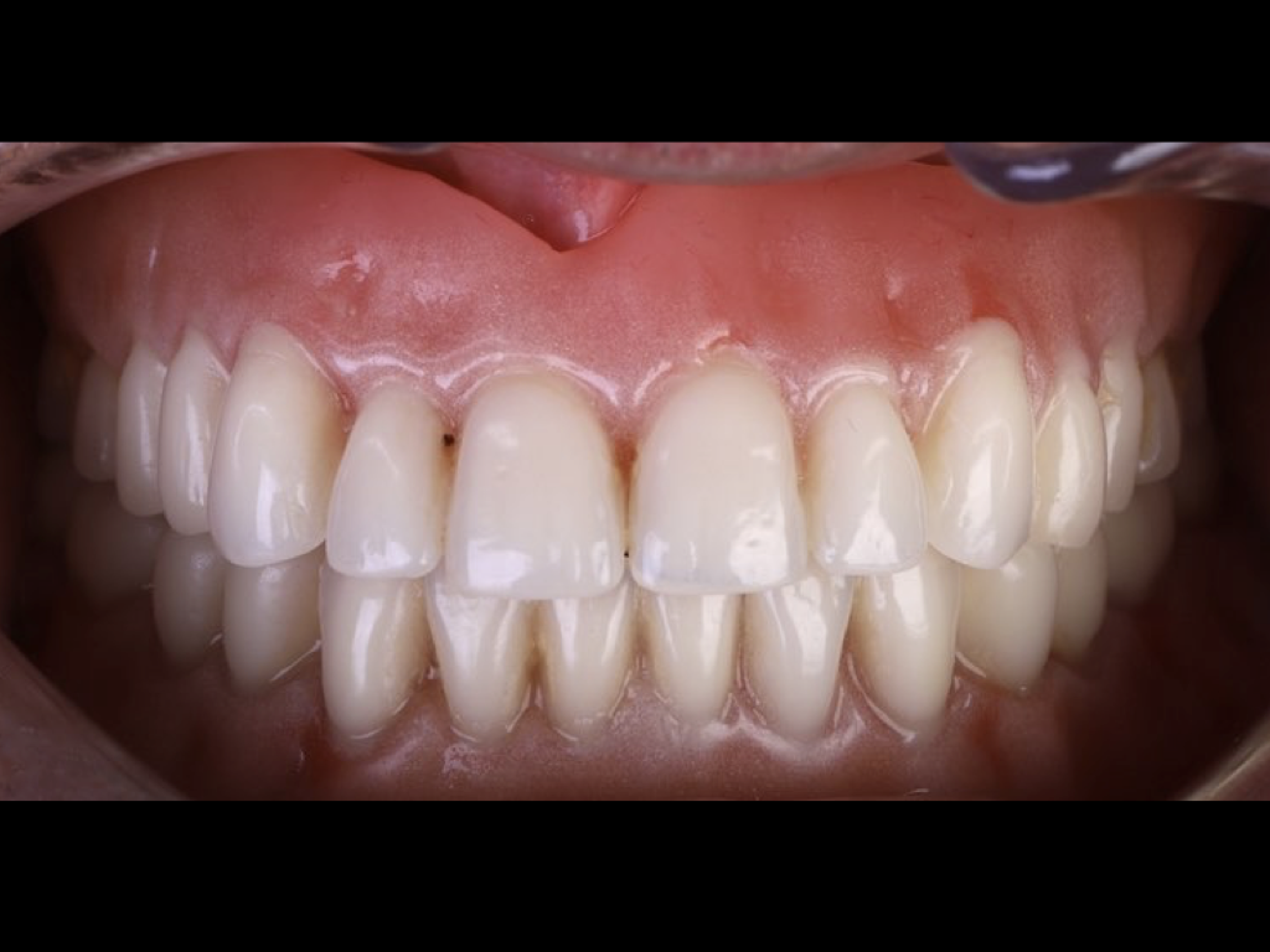
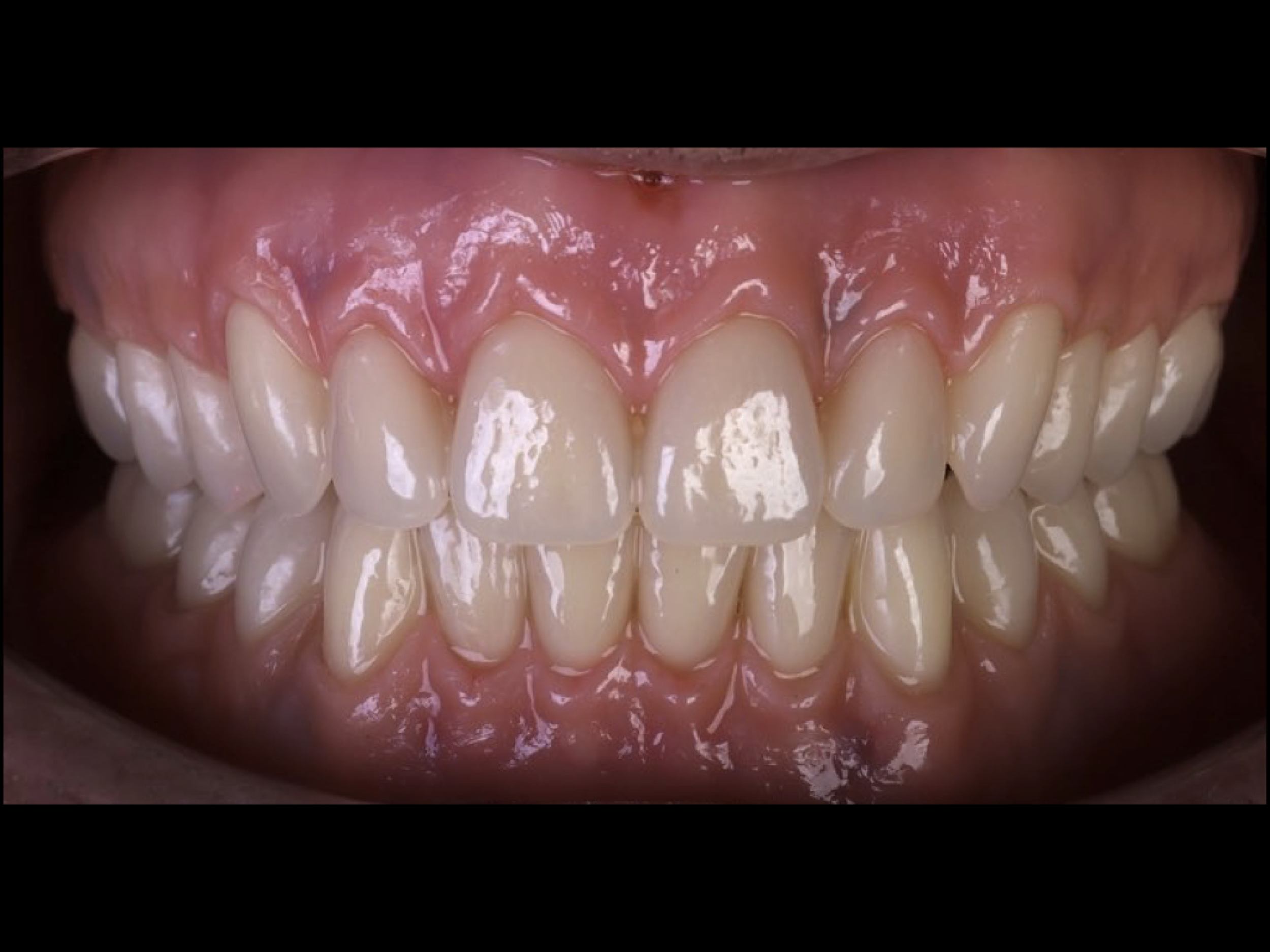
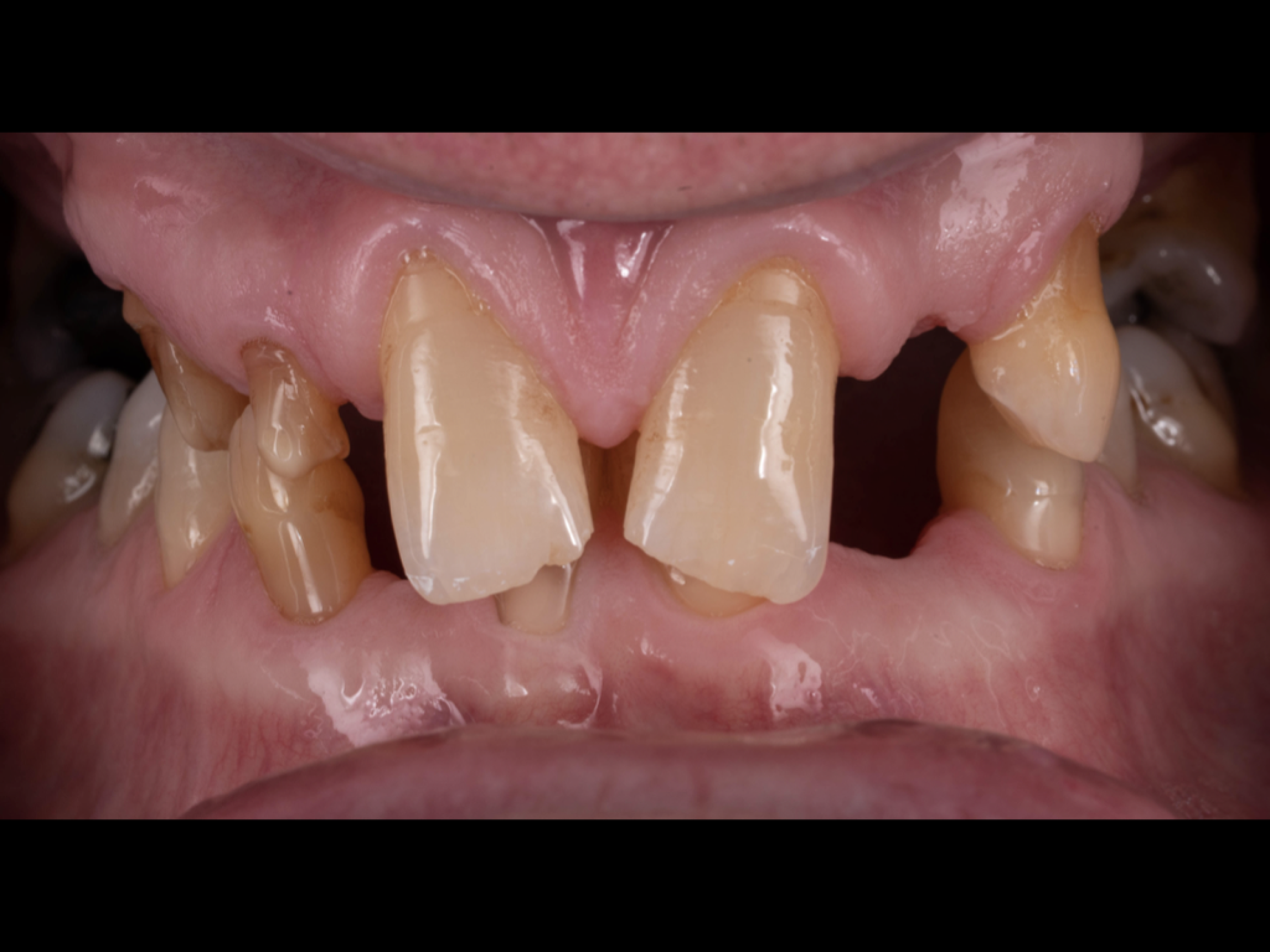
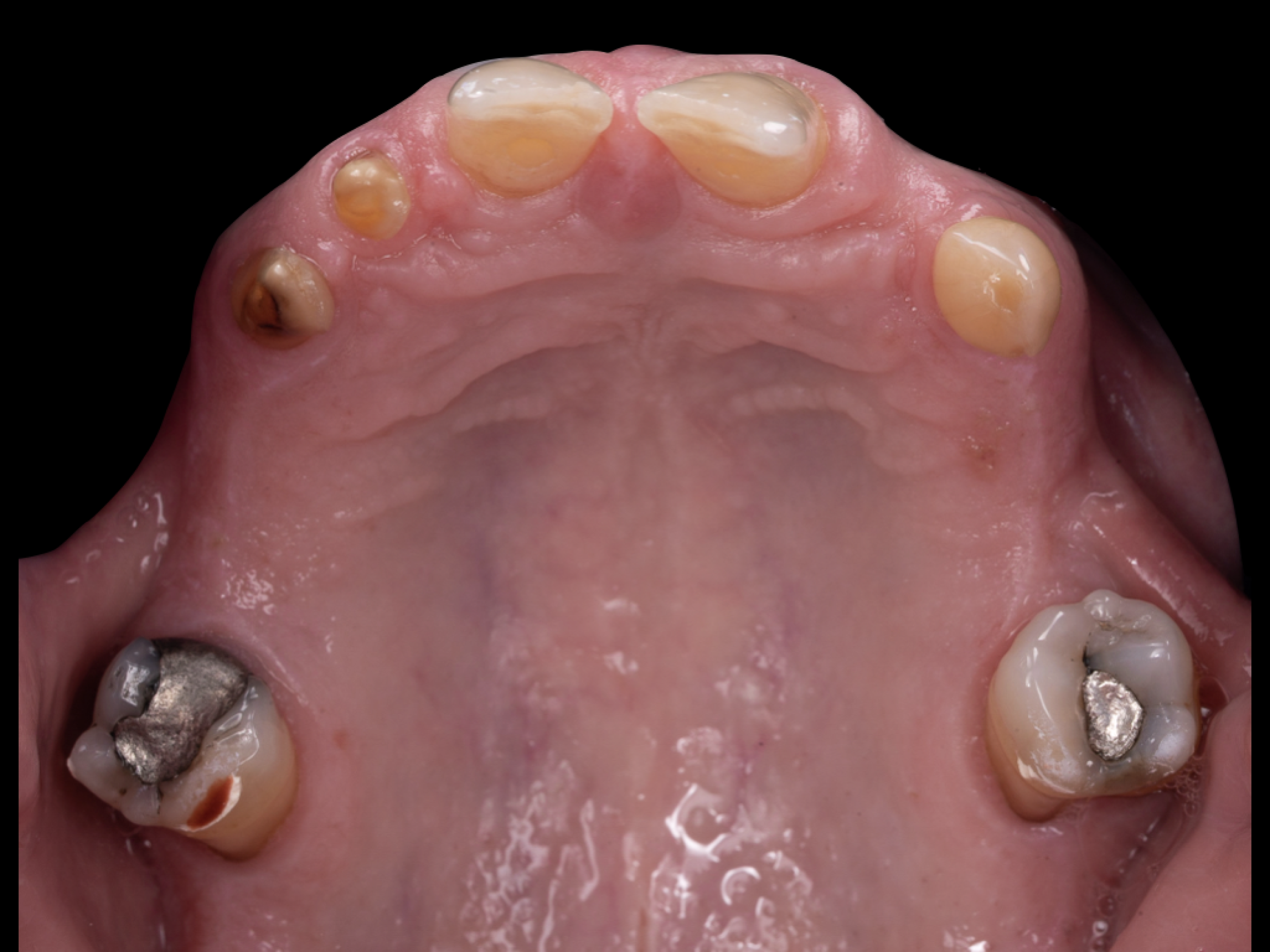
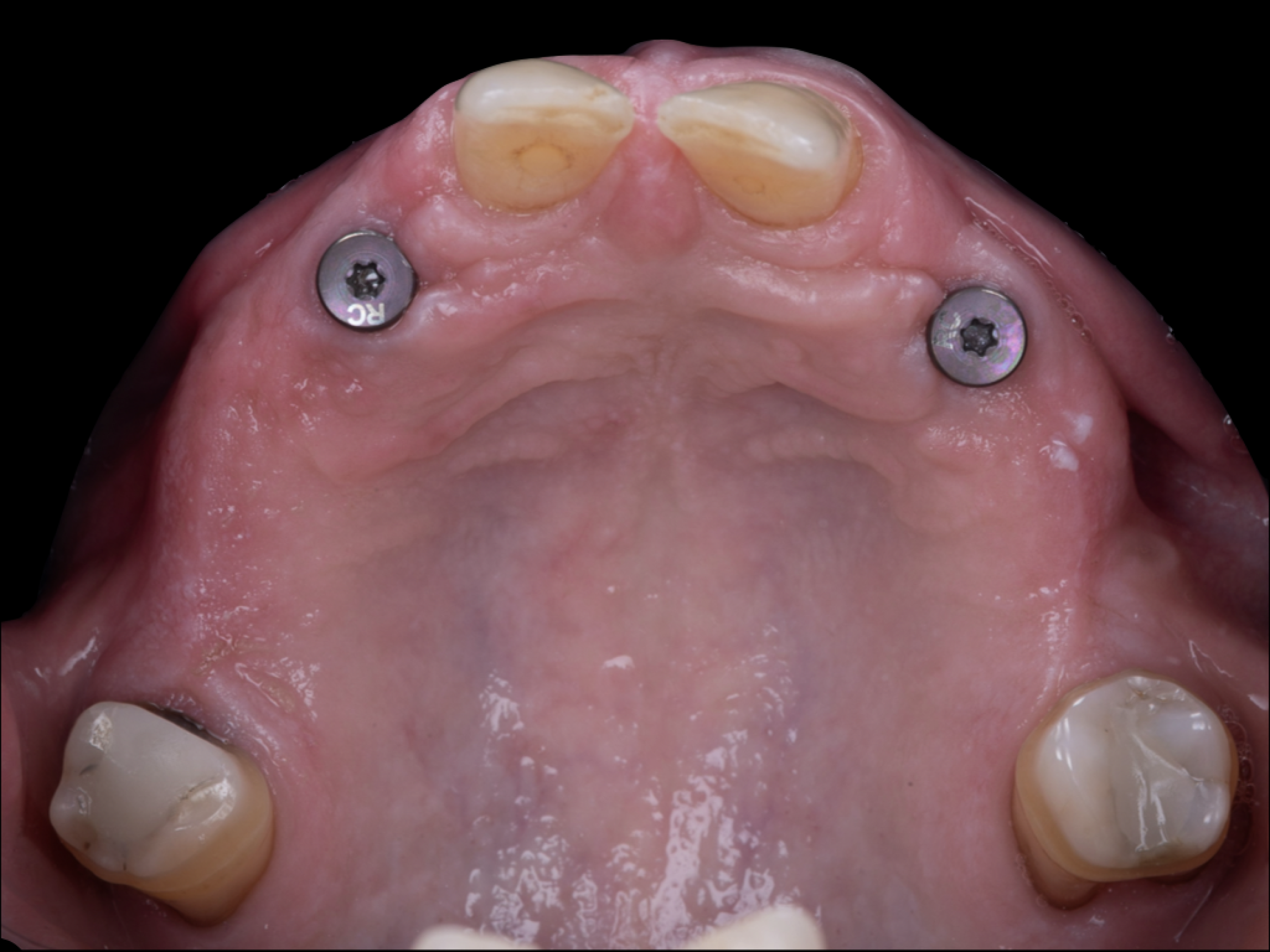
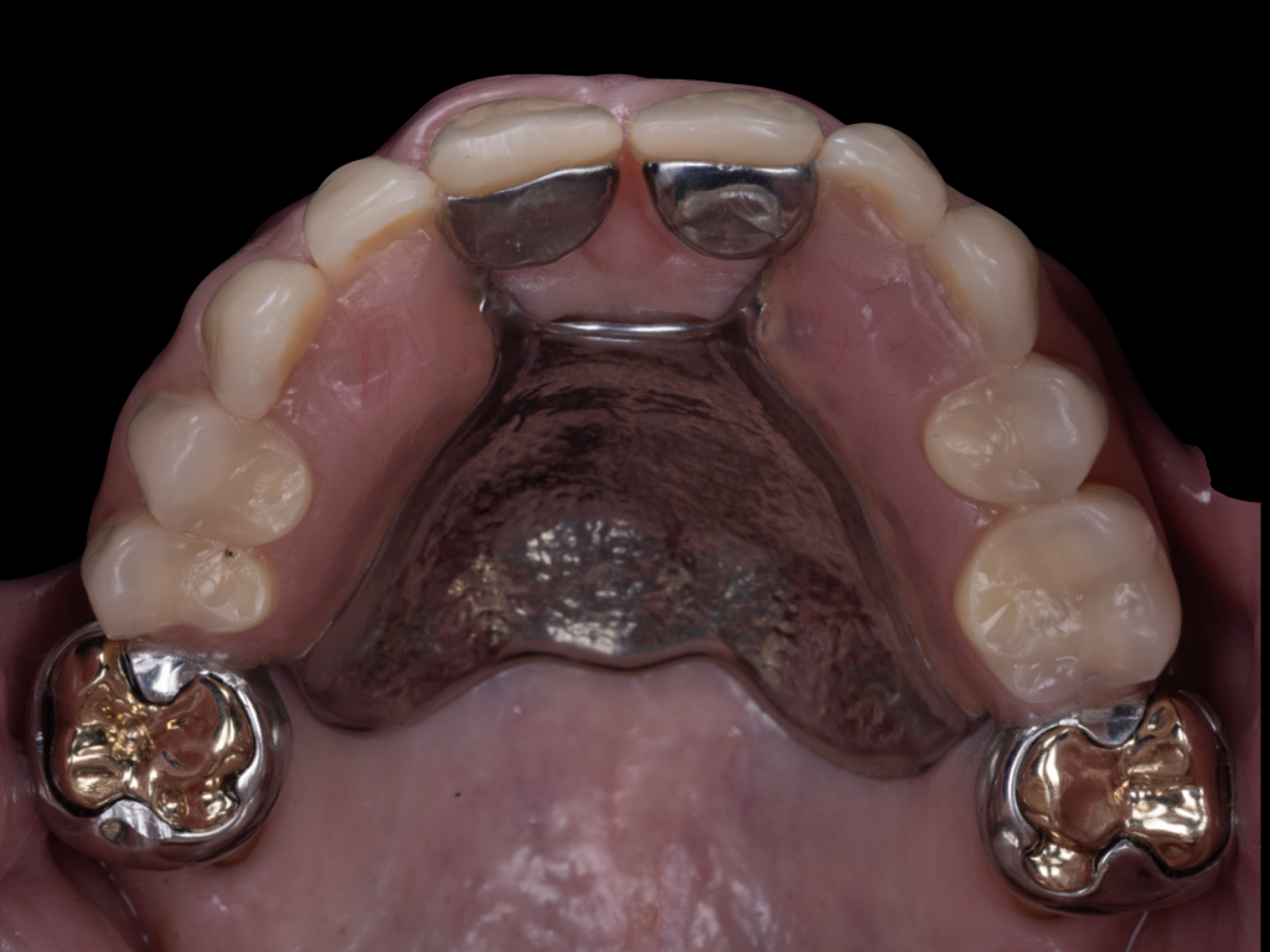
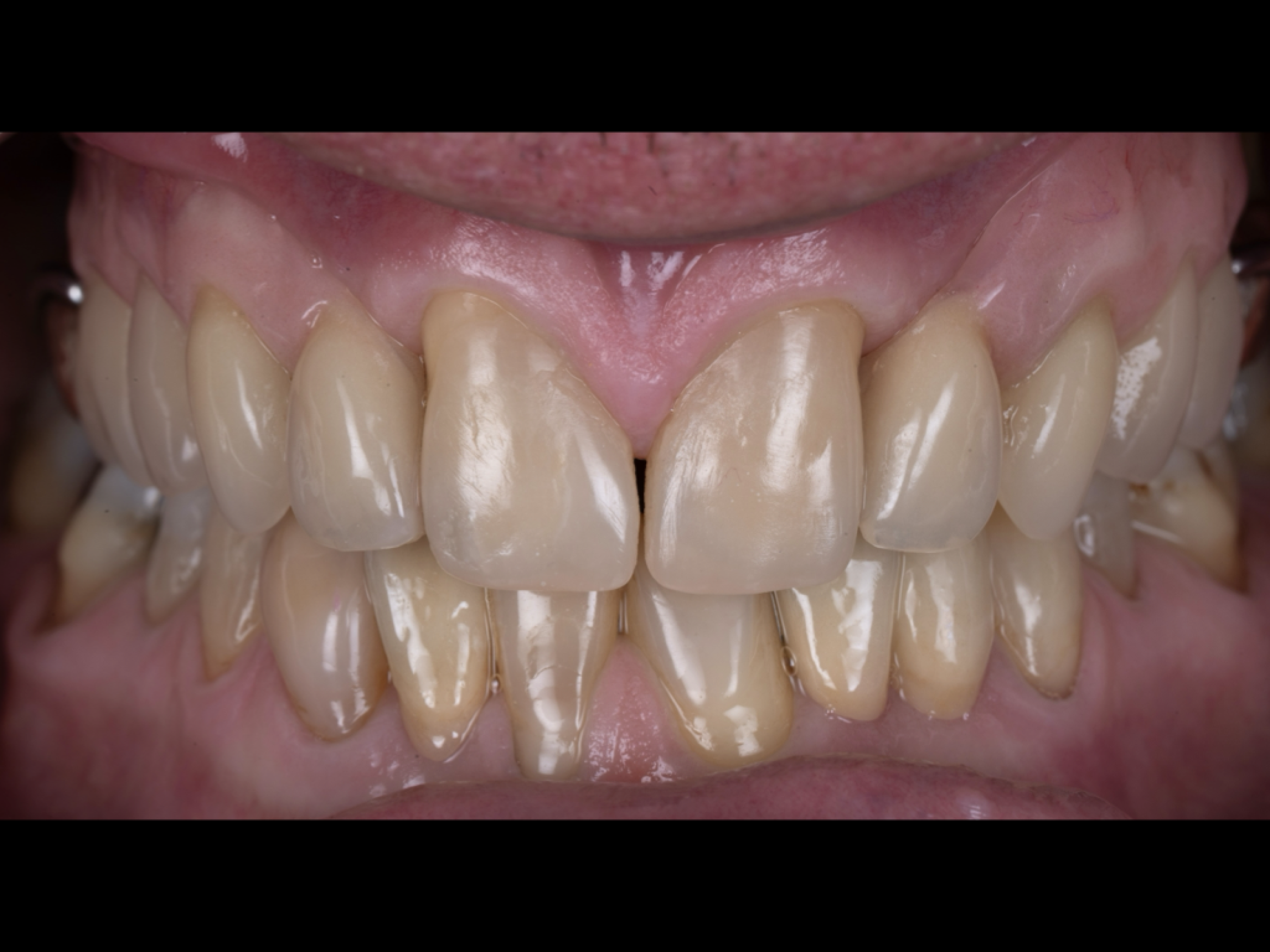
Implant-Retained Dentures
IMPLANT-RETAINED DENTURES - BEFORE AND AFTER
Long-Term Success and Maintenance
The latest studies on dental implants boast a success rate of over 95%, but proper care is essential for their longevity. A specialist provides:
Guidance on oral hygiene techniques to prevent peri-implant disease that is one of the major causes of implant loss.
Regular follow-ups to monitor bone levels and implant stability allowing to promptly intervene when needed
Professional cleaning methods to protect surrounding tissues
Evidence based approach using scientifically proven techniques and methods.
Patients are encouraged to adopt a thorough oral care routine and attend regular check-ups to ensure their implants last a lifetime.
What happens if there is not enough bone
For some patients, bone loss may be too advanced to place an implant immediately. In these cases, bone grafting or sinus lift procedures are performed to rebuild the jawbone and create a stable foundation for implants.
Bone Grafting:
A bone graft is used to regenerate lost bone in areas where teeth have been missing for a long time. This procedure provides an optimum foundation for the future implants to be placed.
Sinus Lift:
When replacing missing upper back teeth, a sinus lift may be needed if the sinus cavity has expanded into the bone. This procedure increases bone height, allowing for successful implant placement.
Both techniques significantly improve the success rate of dental implants when bone volume is inadequate and are key to achieving a long-lasting, functional smile.
Referral Services for Dentists
For general dentists looking to refer complex cases, Dr. Malik provides:
Collaborative treatment planning
CBCT scans and digital case assessments
Surgical and prosthetic support
Comprehensive aftercare for mutual patients
Referring dentists can expect clear communication and the assurance that their patients receive the highest standard of care.